
How to Make Paper Mache Stronger
A paper mache mask can look finished and still bend at the seams. Before buying a stronger glue, check whether the paper is fully dry and whether the shape has enough support. Those two problems need different fixes.
To make paper mache stronger, reinforce the weak areas with overlapping paper, use a paste or glue suited to the project, and let the layers dry completely before painting. A wood glue can help with reusable props, but it cannot make up for a flimsy frame or a damp, thick shell.
Start with the project you want to make
- Reusable masks and props: reinforce joins, edges and attachment points. Keep the construction light enough to wear or handle.
- Small indoor decorations: flour paste or white craft glue can work. A premium adhesive is optional.
- Large sculptures: build a firm armature first so the wet paper keeps its shape.
- Piñatas: aim for a shell that holds its contents and can still break. Maximum hardness is not the goal.
Use paper and support to reinforce weak spots
Support the shape before covering it. Secure loose cardboard joins and prop up parts that sag while wet. If you plan to remove the shell from a bowl or another mold, use a release layer such as plastic wrap; leave a permanent armature in place.
Tear paper into strips that can follow the curves. Newspaper is easy to shape; brown kraft paper is another option, though heavier paper is harder to smooth around tight corners. Our guide to paper for paper mache can help you choose.
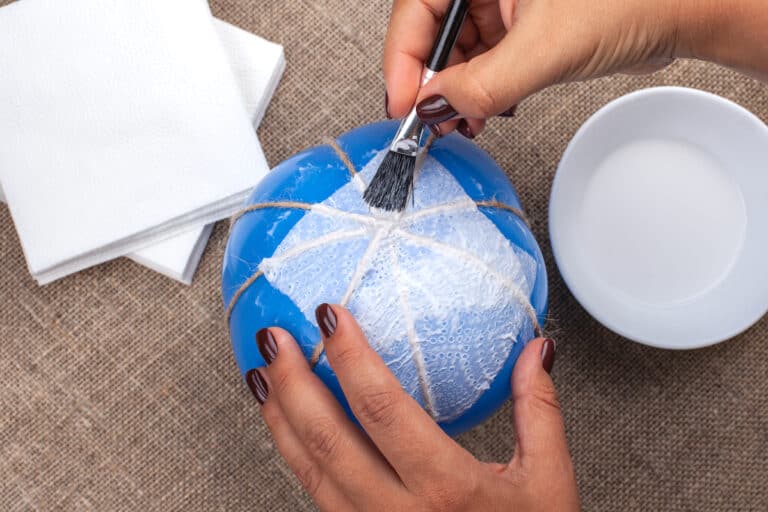
Press strips down so they contact the layer below rather than bridging a gap. Overlap the seams and add paper where an edge or join flexes. Work in small batches of layers so you can check the shape as it dries. There is no single layer count that suits a small ornament, a hollow mask and a large sculpture.
For a mask, check the edges and strap attachment points before decorating. Reinforce the surrounding paper rather than relying on paint or a topcoat to carry the strain.
Choose the glue or paste
White craft glue for everyday projects
White glue is a practical option for paper crafts. Elmer’s Glue-All, for example, is intended to bond paper and other craft materials. Use a thin, even application. If your paper mache method calls for water, add only enough to make the glue workable; a watery pool adds drying time.
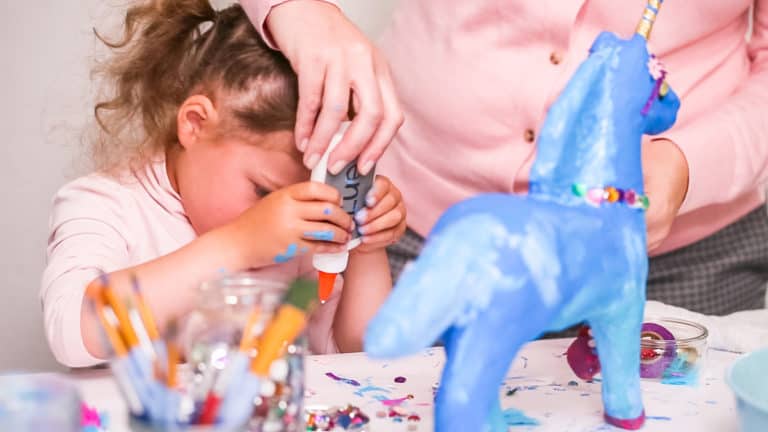
For children’s projects, choose an age-appropriate craft product and follow its label. Keep the design simple enough for them to press the paper flat and handle it once dry. See our paper mache glue guide for more options.
Titebond III for a reusable prop
As an Amazon Associate, we earn from qualifying purchases.
Titebond III Ultimate Wood Glue, 16 ounces is an option to consider for a reusable mask or prop. Paper mache artist Jonni Good demonstrates it over a cardboard headdress in her wood-glue mask tutorial. That is a craft application, not a manufacturer guarantee that every paper project will be stronger or dry overnight.
Titebond’s thinning guidance limits added water to 5% by volume or weight for most of its water-based wood glues; adding more can reduce bond strength. By volume, that means no more than 5 mL of water for 100 mL of glue. Do not apply an equal-parts glue-and-water recipe to this product.
Brush a light coat onto the paper and smooth it over the supported shape. Avoid pools in ears, corners or folds. Clean the brush and container while the glue is wet. Start with a small sample if you are changing adhesives on a project you want to keep.
The dried glue is light brown, so test the appearance if you want to leave the paper unpainted. Its water-resistance rating applies to the adhesive’s intended use; it does not turn a paper shell into a waterproof outdoor object. Follow the label and keep the bottle out of children’s reach.
Flour paste for inexpensive indoor crafts
Flour paste is still useful for paper mache. You do not have to replace it just because you want a firm finished piece. Use fresh paste, sensible layers and enough drying time.
For a simple uncooked paste, put white flour in a bowl and stir in warm water gradually until the mixture spreads without lumps. Make enough for the session, then discard the leftovers and mix a fresh batch next time. Avoid soaking the paper in excess paste. Jonni Good’s paper mache booklet covers this basic method.
If you need a flour-free project, choose a suitable craft adhesive instead of adding flour to a different glue. Check the product’s ingredients and classroom requirements rather than assuming all white glues are interchangeable.
Let the whole piece dry before painting
An overnight wait is a starting point, not proof that the center is dry. Thick sections, humid weather, excess paste and a covered underside can all make drying take longer. Keep the piece supported in a dry place with air circulation, and check the folds and inside surfaces as well as the outside.
A surface that feels dry can hide damp paper underneath. Delay paint and sealer if any areas are still soft or damp. Ultimate Paper Mache’s basic tutorial identifies sealing trapped moisture as a cause of mold problems.
Once the piece is dry, use paint suited to paper mache and let that dry before applying a compatible finish. A decorative coating protects the surface; it does not replace reinforcement at weak seams. Store finished paper mache indoors and away from moisture.
If a finished piece still feels flimsy
- Soft all over: give it more drying time before deciding the adhesive failed.
- A dry edge or seam bends: add overlapping strips around that area, then dry it again.
- The whole shape sags: improve the underlying support before adding more wet paper.
- The surface is firm but a join pulls apart: reinforce the join and the paper around it; do not just paint over it.
Choose one weak area, repair it and check the result once dry. That gives you a useful answer before you cover the whole project in another wet layer.